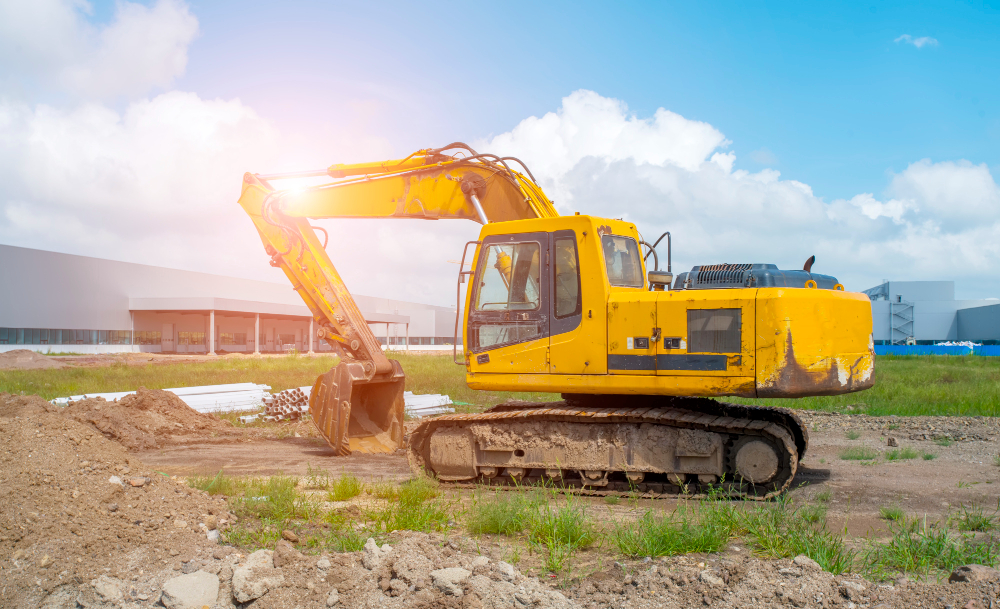
Selecting the right excavator for your construction or earthmoving project can be the difference between finishing on time and budget or facing costly delays. With so many sizes, configurations, and attachments available, it's easy to feel overwhelmed. In this guide, we break down the key factors to consider — from tonnage and reach to hydraulics and undercarriage — so you can rent with confidence.
1. Match the Size to the Job
Excavators are typically classified by operating weight. For small residential projects or tight spaces, a mini excavator (1–6 tons) offers maneuverability. Midi excavators (6–10 tons) are popular for utility work and medium digging. For heavy construction and quarry work, you'll need a heavy excavator (20–50 tons) or even a mining class (50–90+ tons). Our fleet includes everything from compact to 50‑ton units — all fully maintained.
Typical applications by weight class
- 1–6 ton: trenching, landscaping, pool digging
- 6–15 ton: roadworks, residential basements, pipe laying
- 15–30 ton: commercial foundations, bulk excavation
- 30–50 ton: heavy earthmoving, mining pre‑strip, large infrastructure
"Many contractors oversize their excavator, increasing transport and fuel costs. We always advise matching the machine to the predominant task — you can always bring in a bigger unit for a few days if needed."
2. Consider Reach and Digging Depth
Maximum digging depth and reach are critical if you're working below grade or need to load trucks from a distance. Longer arms (sometimes called "long reach" configurations) add versatility but reduce bucket capacity. Check our detailed spec sheets for each model — they include arm length options and corresponding breakout forces.
3. Hydraulic Power & Attachments
Modern excavators are tools carriers. A high‑flow auxiliary hydraulic circuit allows you to run hammers, grapples, augers, and shears. If your project involves breaking concrete or rock, ensure the machine you rent has the hydraulic flow and pressure to handle the attachment. All our excavators come with a quick coupler, so you can switch buckets or tools in minutes.
Common attachments we offer:
- Hydraulic hammers (1–5 ton class)
- Grapples for demolition and forestry
- Augers for drilling posts or foundations
- Tilting buckets for grading
- Magnet lifters for scrap handling
4. Undercarriage: Tracks vs. Wheels
Tracked excavators provide superior stability and flotation on soft ground, making them ideal for mud, sand, and uneven terrain. Wheeled excavators can travel on roads and are faster moving around a site, but they require firmer ground. For most construction sites, tracks are the safer choice — and our rubber track options protect paved surfaces.
5. New vs. Well‑Maintained Used
At Machima, we pride ourselves on a modern, low‑hour fleet. Every machine goes through a 120‑point inspection before each rental. You get the reliability of newer equipment without the capital expense. Plus, all our excavators are equipped with GPS tracking and telematics — so we know exactly where they are and can monitor health remotely.

COMMENTS (3)
LEAVE A COMMENT